

Across South Louisiana, contractors are rethinking how they plan and manage jobsite sanitation. What used to be a simple question of placing a few portable toilets on the edge of a work zone has become a broader conversation about hydration, heat exposure, worker expectations, and the real cost of downtime. In Gonzales, where industrial growth continues, and summer temperatures frequently climb into dangerous ranges, jobsite leaders are discovering that sanitation is now a core part of keeping crews healthy and productive.
A recent analysis by local operator Jake Poche describes how these pressures are reshaping sanitation planning across Ascension Parish. His article on jobsite sanitation in Gonzales explains why portable toilets are shifting from an afterthought to an operational priority as sites get hotter, busier, and more complex.
Heat and Humidity Drive New Expectations
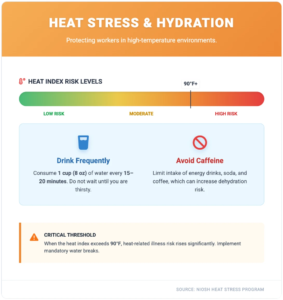
The most significant change affecting sanitation in South Louisiana is the heat. Data from the NIOSH Heat Stress Program shows that the risk of dehydration and heat illness rises sharply when temperatures exceed 90 degrees Fahrenheit, especially in humid conditions. To address this, contractors should implement best practices such as increased restroom frequency, shaded units, and hydration stations to manage worker health and maintain productivity proactively.
On hot days, workers naturally consume more water, leading to more frequent restroom breaks. Portable toilets that are adequate during mild weather often fall short during heat waves, becoming overused before servicing crews can return. When units become uncomfortably hot or unclean, workers tend to delay using them, reduce hydration, or leave the site to find alternative facilities. Each of these behaviors creates hidden productivity losses that compound across a long workday.
Supervisors across Gonzales describe a familiar pattern. In cooler seasons, a set of toilets might comfortably serve a crew for the whole week. In July or August, that same setup can feel overwhelmed by midweek, particularly when crews are working extended shifts. These challenges have encouraged contractors to add more units, increase servicing frequency, or place toilets closer to the active work area.
The Cost of Underestimating Restroom Demand
Worker well-being is the most important reason for improving sanitation, but productivity is a close second. Even small inefficiencies can add up quickly on industrial sites where dozens or hundreds of workers rotate through tasks with tight sequencing. For example, a five-minute delay caused by inadequate sanitation can lead to significant labor losses over a shift, underscoring how strategic sanitation planning directly supports project timelines and cost control.
Studies on workforce efficiency highlight how small ergonomic and environmental factors influence performance. Research summarized by the National Institutes of Health shows that hydration, thermal comfort, and restroom accessibility all affect worker fatigue and decision-making. When sanitation is insufficient, workers naturally adapt, but those adaptations often slow the project.
Many Louisiana contractors now view sanitation planning as part of the broader workflow rather than a stand-alone requirement. Placement strategies, shade availability, and midweek servicing are being optimized with the same attention once reserved for equipment staging or material delivery.
Industrial growth in Gonzales and across South Louisiana creates a collective responsibility among contractors and site managers to prioritize sanitation, fostering a sense of community effort and shared purpose.
Gonzales sits at the center of one of Louisiana’s busiest industrial corridors. Petrochemical expansions, manufacturing activity, distribution facilities, and maintenance turnarounds contribute to a consistently high demand for skilled labor. According to the Bureau of Labor Statistics, construction and industrial employment across South Louisiana has shown steady long-term growth, with seasonal peaks during primary project cycles.
Proactively adjusting sanitation strategies as crew sizes grow helps contractors avoid delays and demonstrates leadership in maintaining efficient, smooth operations during project expansion.
Local providers are often the first to notice these shifts. Operators like Jake Poche observe trends across multiple jobsites, helping project managers anticipate increases in usage based on crew size, work type, and seasonal conditions. This regional insight has become particularly valuable as Gonzales continues to attract large industrial projects.
Events and Seasonal Crowds Influence Supply
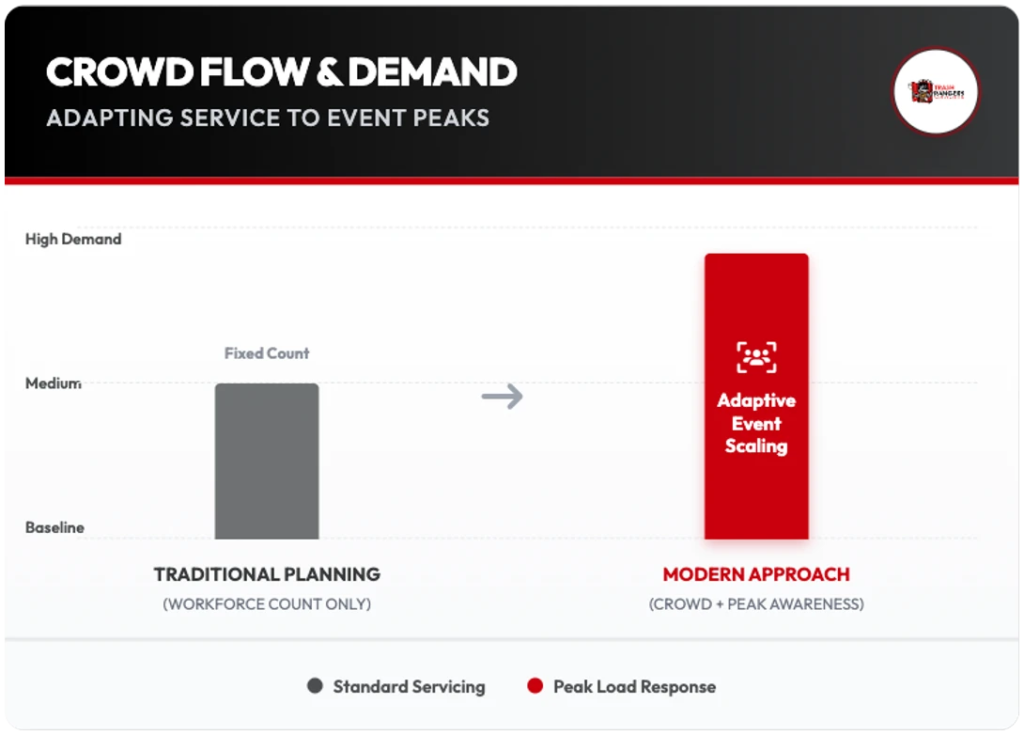
Jobsite sanitation in Gonzales is also indirectly shaped by the city’s event calendar. The Jambalaya Festival, fairs at the Lamar Dixon Expo Center, rodeos, and regional gatherings bring thousands of visitors to the area across concentrated weekends. These events can cause spikes in restroom demand, requiring contractors to coordinate with sanitation providers to adjust servicing schedules and unit placement, ensuring consistent site conditions despite regional fluctuations.
When festivals overlap with significant construction activity, portable toilet suppliers experience peak demand across both sectors. Even a slight miscalculation on the event-planning side can strain availability at nearby jobsites. Local operators with long-standing ties to these events are often better at navigating these pressure points compared to national chains that dispatch units from outside the parish.
For contractors, this means sanitation planning increasingly requires awareness of the regional event cycle, not just the workforce count. When demand surges city-wide, servicing schedules and unit placement must adapt to maintain on-site conditions.
A Shift Toward Worker-Centered Planning
The trend toward worker-centered planning underscores how prioritizing sanitation and comfort directly enhances worker well-being, showing that their health is a key focus for industry leaders.
This shift mirrors broader research in occupational health, showing that well-being and productivity are closely linked. For jobsite teams, sanitation is no longer just a necessary cost. It is part of how a company signals that it values its workforce and plans for the environmental realities of the region.
As Gonzales continues to grow, sanitation standards are likely to rise with it. Local insights from providers like Jake Poche will play a key role in helping contractors avoid bottlenecks, stay ahead of seasonal pressures, and maintain both safety and efficiency during peak workloads.

The macro analyst desk brings highly sought after financial news based on market analysis, insider news and company filings.